My Father, Lion Lager, and Home (Ruvani de Silva, Issue 02)
An iconic national lager. Reconnecting with Family. Returning Home.
Words & photos by Ruvani de Silva
The following article by Ruvani de Silva was originally published in September 2023 in Issue 02 of Final Gravity, our print beer zine telling personal, human-centered stories about beer. You can order the print issue here, or subscribe here.
***
Sitting alone in the still, thick Colombo air under the shade of my favorite mango tree in my auntie and uncle’s garden, I quietly allowed myself to absorb the fact I had spent the past weeks putting out of my mind: this would be the last time I would relax in this garden or stay in the house I knew as well as my own, with my beloved Auntie Dayanthi, my father’s sister, who was more mother than auntie to me, even in my 30s. The signs of her early-onset dementia were undeniable. While we initially persevered with the routines that had marked over a decade of annual visits to her home, the cracks in her understanding had finally become heartbreakingly obvious, glossed over with hugs and willful inattention. Days before leaving for home, I sat outside alone to begin in earnest the process of mourning.
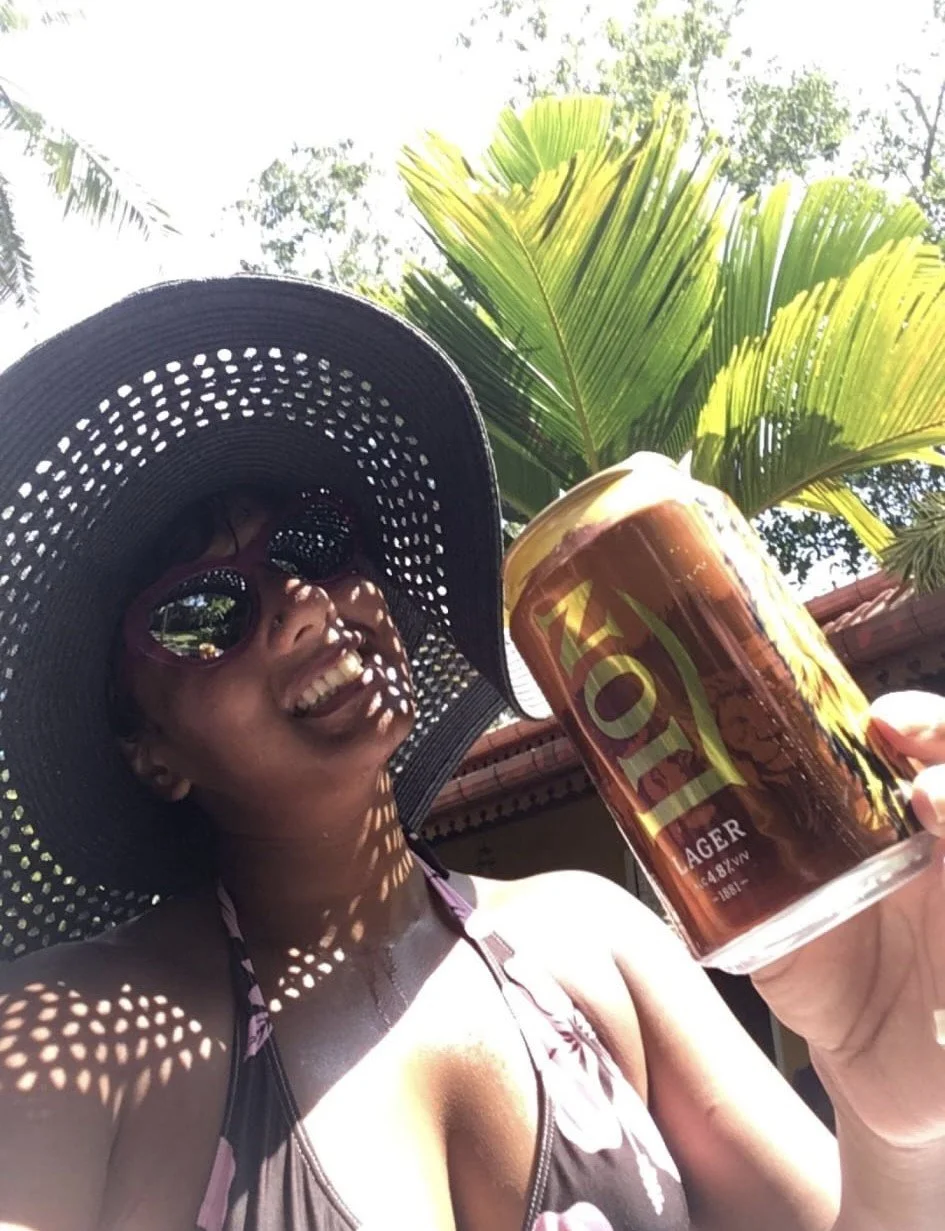
I looked hard at everything around me, the verdant grass and lotus blossom, the tubular orange flowers whose name I had never bothered to learn and now never would, and the mango trees, whose small unripe fruit had just begun to pepper the ground beneath them. My tall, slim glass of Lion Lager perspired gently in my hand as I drank from it. I thought of the hundreds of times I must have filled the glass over the years, impatient for the crisp, sweet refreshment each sip offered, sharing the 750ml bottle among the family as we ate our dinner or watched cricket on television. It was a small but integral part of our daily routine, established over so many years of long homestay visits.
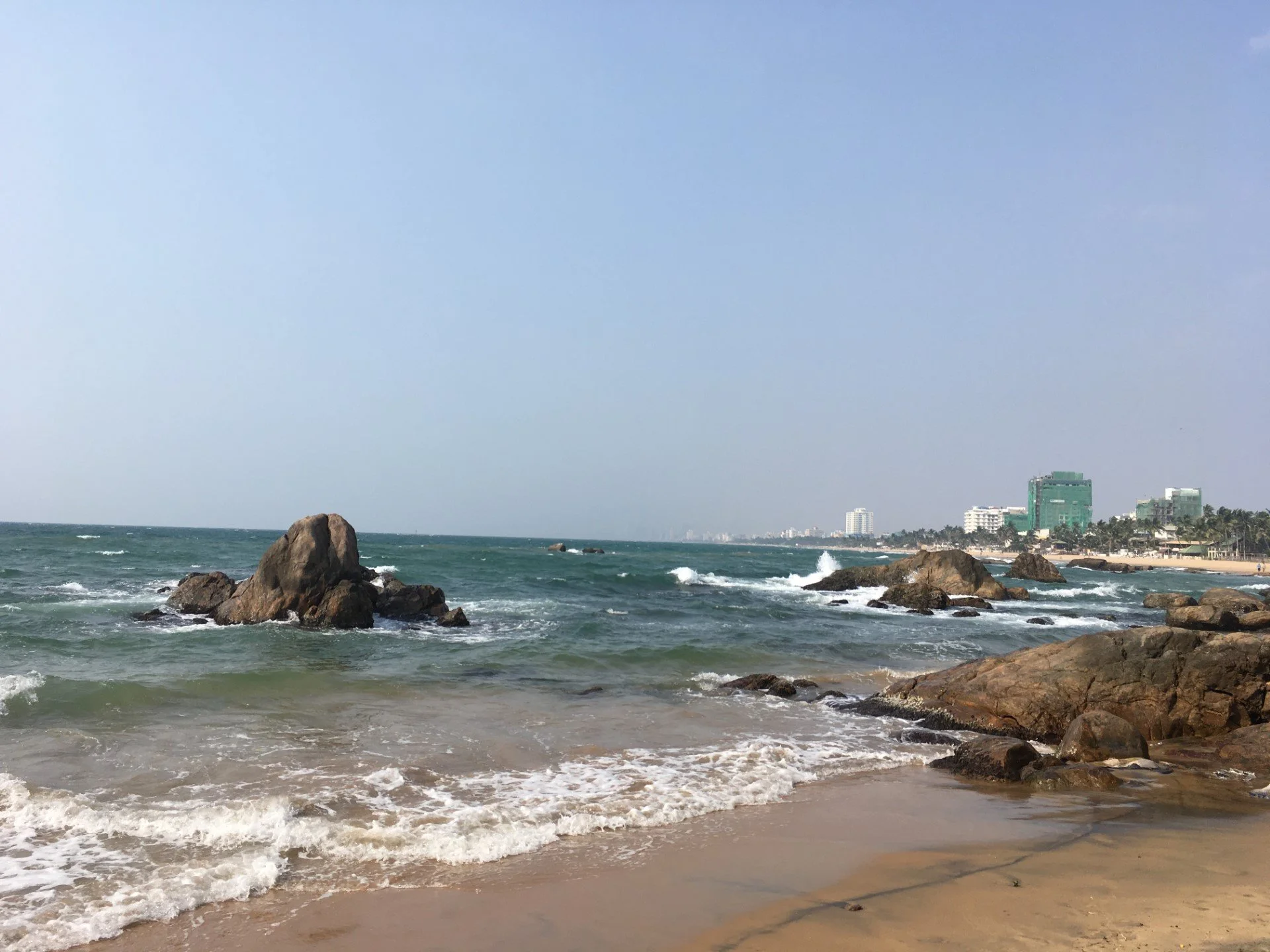
I thought about the mornings when my father, impatient to get out and about, would rally me out of my jetlagged and/or hungover state and into action by presenting me with that glass. I’d sneak it into the shower, carefully balancing it on slightly off-kilter tiles. About my auntie who, though in traditional Sri Lankan fashion never understood my desire to sunbathe, would still bring me that same glass foaming with Lion Lager as I sweated on a towel in the grass, keen to look like I’d been on holiday when I got home. About Poya day, a monthly day of Buddhist observance when alcohol sales are prohibited, and how my father and I would declare a beer emergency in the days before and hop in a tuk-tuk (a three-wheel moto-taxi common in South and Southeast Asia) to the nearest convenience store and stock up. About my uncle’s almost imperceptible smile as I would hand him a glass, beer being a treat that was mostly reserved for our visits.
I don’t remember if I cried as I drank that beer in the garden, but I do know that when we returned the following year and my auntie no longer recognized me, I sat on the balcony of our Airbnb clutching my Lion Lager as I sobbed. I know that when we visited her a final time—skeletal and unconscious in the room that had been my bedroom for all those years—my father pressed that same cold glass of Lion Lager into my shaking hand.
Lion Lager has been a thread running through my visits to my ancestral home, its ubiquity as embedded as the heat, the dust, and the rickety tuk-tuks. My first visit nearly two decades ago was difficult. I struggled to adapt to a Sri Lanka I knew little about, having been fully Westernized by Anglophile parents born under the Raj and having minimal exposure to other Sri Lankans. I didn’t know the language, the customs, how to eat with my hands, or even what to order. But I did know I was thirsty, and that I wanted a beer.
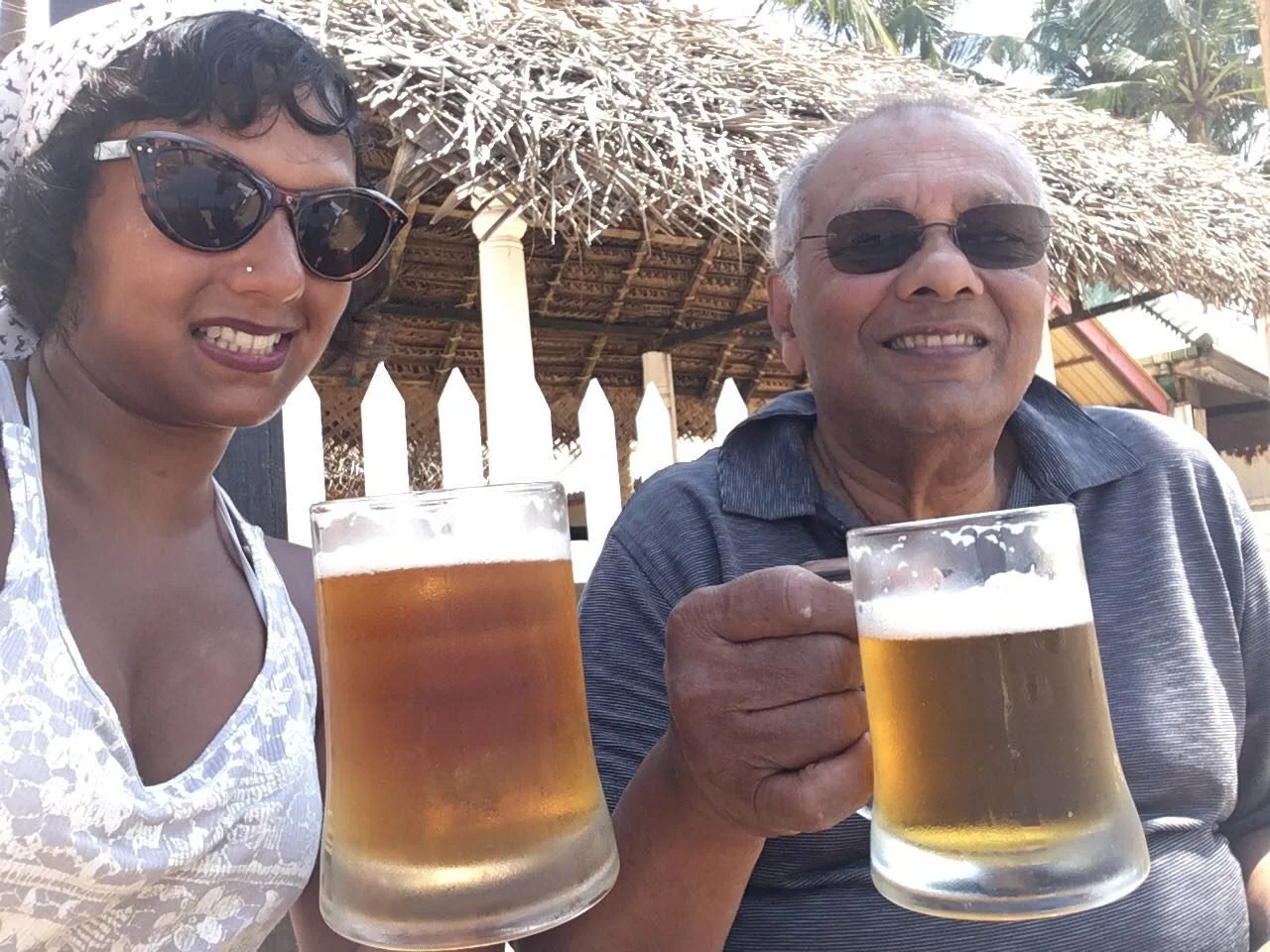
While women drinking beer is now a common sight in Colombo’s trendy upscale bars and hotels, things were a little different 20 years ago. Sri Lanka’s devastating decades-long civil war was ongoing, and a middle-class Sinhala family like my father’s retained many of the traditions of older generations. This meant women rarely drank, and if they did it would be wine or liqueur, certainly not beer. I was fortunate that my father, who had been away from his homeland for a quarter-century, also wanted a beer. Or three. We had never been close, but he supported his loud, opinionated daughter, all pink hair and bluster, when she asked for a beer.
The two of us drinking together helped to normalize me in the eyes of my family, many of whom began to join in. Barriers slowly broke down and rituals became established. If we were coming over, there would be beer. For everyone from my conservative elder cousins to my aristocratic Auntie Perrin to my famous film director Uncle Nihal, our arrival would herald the appearance of chilled 750ml bottles and the mouth-watering sound of foil tearing and caps releasing. Shared stories poured out as swiftly as the beer.
It was in this way that I got to know my father. I learned about his schoolboy exploits, from forbidden swims in Colombo’s dangerous riptides with Uncle Shanti, to a spontaneous 90-mile cycle ride from Colombo to Galle with Uncle Ranjan, to organizing a week-long Pirith ceremony, in which Buddhist monks chant in shifts for 24 hours a day, as part of the Young Men’s Buddhist Association. I even learned about his unfortunate collision with a cow while riding his motorcycle late at night. Ahem. I discovered how he and my Uncle Nihal, early in his media career, chartered a helicopter to film the devastating 1958 monsoon flooding, and how in the early days of the civil war, he sheltered his Tamil friends, including my Uncle Raju, from Colombo’s violent Sinhala mobs. He and his friends would reminisce for hours every time we visited, offering up new nuggets of their shared history or happily repeating their favorites. I gained an understanding of what life in the precarious early days of Independence had been like, and of my father himself, relaxed and at ease in a way he never was in the white-dominated, middle-England town he could never bring himself to call home.
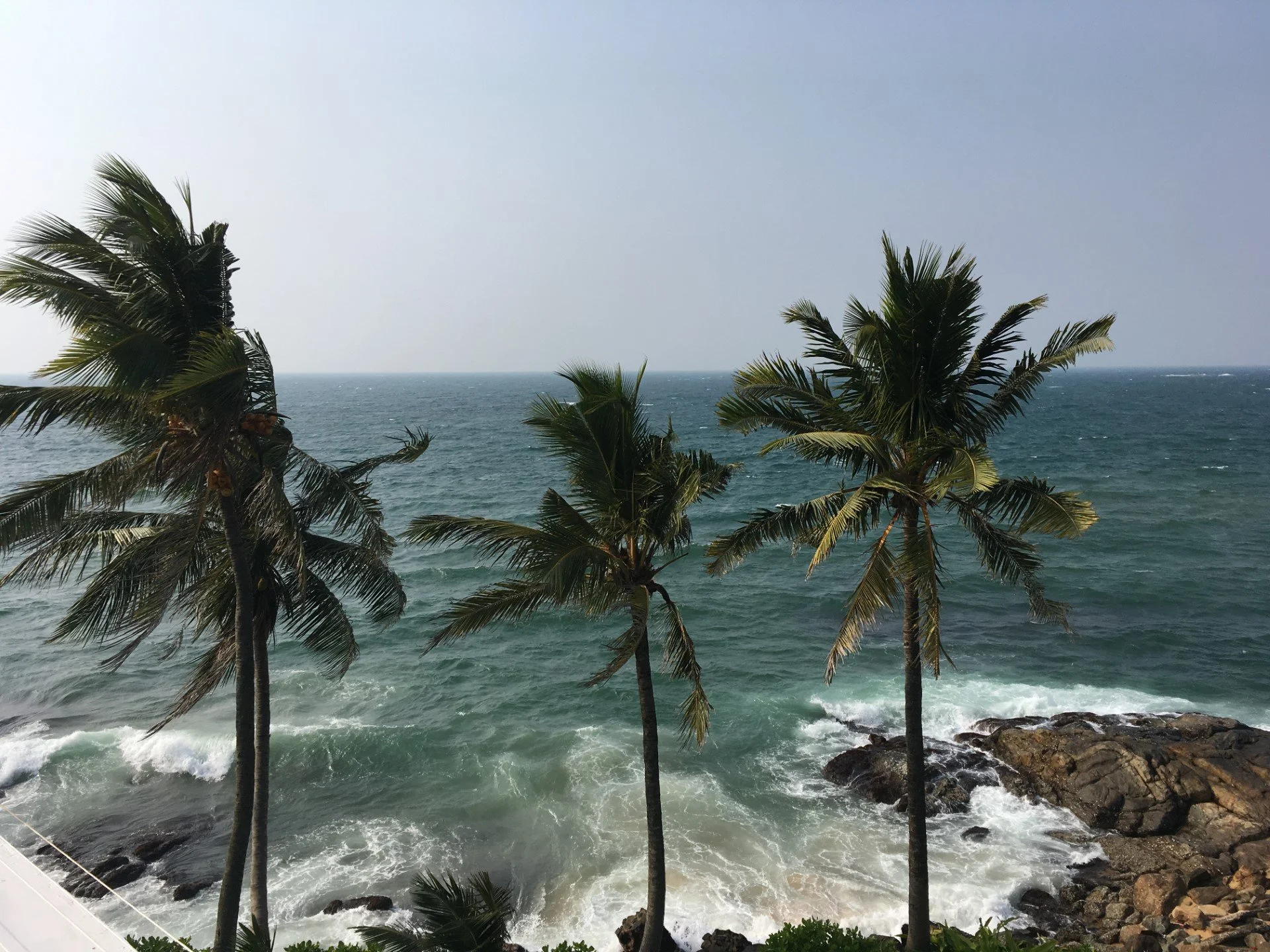
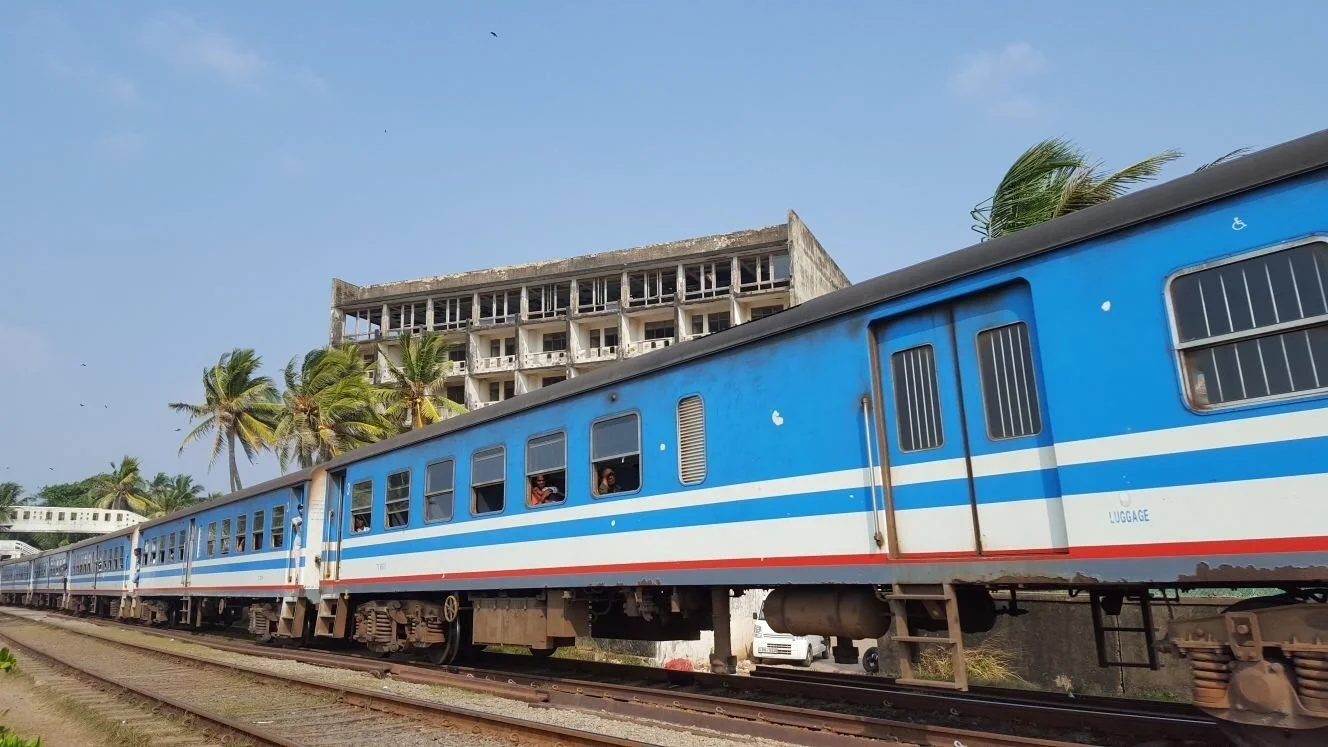
There was always time for another beer and another story, but my father and I also began to make our own memories over Lion Lager. Spending six weeks in each other’s company took some adjustment for both of us on that first visit back to Sri Lanka. Although we got along, we didn’t know each other well. To bond, we embarked on a cross-country trip in a beaten-up minivan for me to see Sri Lanka’s historic sites (as much as was possible during the war).
In Dambulla, home to beautiful ancient cave paintings, we stopped at a local restaurant serving hoppers, a Sri Lankan specialty I had only just discovered and couldn’t get enough of, only to discover it was a dry restaurant. After a full day of sightseeing in the baking heat we were both gasping for a cold beer, a fact my father conveyed to our waiter in Sinhala. Before we knew it, we were presented with a full English porcelain tea set, tall elegant pot and delicate cups and saucers. A nod, a wink and a couple of hundred rupees exchanged hands, and the two of us were sipping our Lion Lager from the tea set and grinning from ear to ear.
“I didn’t know the language, the customs, how to eat with my hands, or even what to order. But I did know I was thirsty, and that I wanted a beer.”
The irony of this may not have occurred to me at the time but is not lost on me now. As was the case for most of the Subcontinent, beer came to Sri Lanka by way of the British who brought it over for their own refreshment, but soon decided to save time and money and brew it on colonized land. Lion’s original parent company, The Ceylon Brewery, was established in 1849 by British colonist Sir Samuel Baker in Nuwara Eliya. This was the heart of Sri Lanka’s tea country, where the cooler temperatures were conducive to successful brewing. The brewery changed hands many times in the 19th century, and was owned for a time by India’s popular Mohan Meakin Brewery who began to brew their signature Lion Lager, Asia’s first beer brand, in Nuwara Eliya. By the time ownership returned to the British in the early 20th century, Lion Lager had become the established face of the brewery. As its popularity waned in India, Sri Lanka became Lion’s leading market. New facilities were built to cope with demand from the British and Sri Lankans alike, and as its success continued, new varieties including Lion Stout and Lion Pale Ale were launched.
It was at around this time, during the 1950s, that my father first began to drink beer. Although there were a few competing brands (notably Three Coins, now also owned by Lion), Lion Lager was the most popular brand in the country, and the one that he and his friends chose to drink. He’d been born under the Raj to aspirational middle-class parents and attended the prestigious Royal College school (founded by British colonists and modeled on the likes of Eton and Harrow) and he and his friends eschewed arrack and toddy, Sri Lanka’s indigenous alcoholic beverages, in favor of drinks preferred by the Brits–beer and whisky. These remain the drinks of choice at their annual Class of 1948 school reunion. Being a beer drinker was a mark of culture and sophistication at the time, a clear indicator that though the Empire was over, its influence would live on in the minds of the young people it had so successfully indoctrinated even in its last days.
That influence lives on. Although arrack is making a comeback at Colombo’s high-end cocktail bars, particularly among tourists and ex-pats keen for local flavor, it is Lion Lager whose logo you’ll see emblazoned on billboards, stuck to shop windows, and plastered on tuk-tuks. Now branded Lion Brewing and owned by Carlsberg, with a 750,000 hL per year facility outside Colombo, Lion Lager holds 82% of Sri Lanka’s beer market share, and is also Sri Lanka’s sole distributor of Diageo brands. Lion Lager is everywhere, from simple roadside kaddes (small local food stalls) to upmarket hotel bars. For me and my dad, indulging in an overpriced bottle at our favorite spots around town—Barefoot Café, The Cricket Club, Paradise Road—was another part of our annual ritual. We would people-watch while eating plates of devilled prawns and crab curry, taking punts on who was a journalist, who worked for an NGO, and who was there for a wedding.
“Being a beer drinker was a mark of culture and sophistication at the time, a clear indicator that though the Empire was over, its influence would live on in the minds of the young people it had so successfully indoctrinated even in its last days. ”
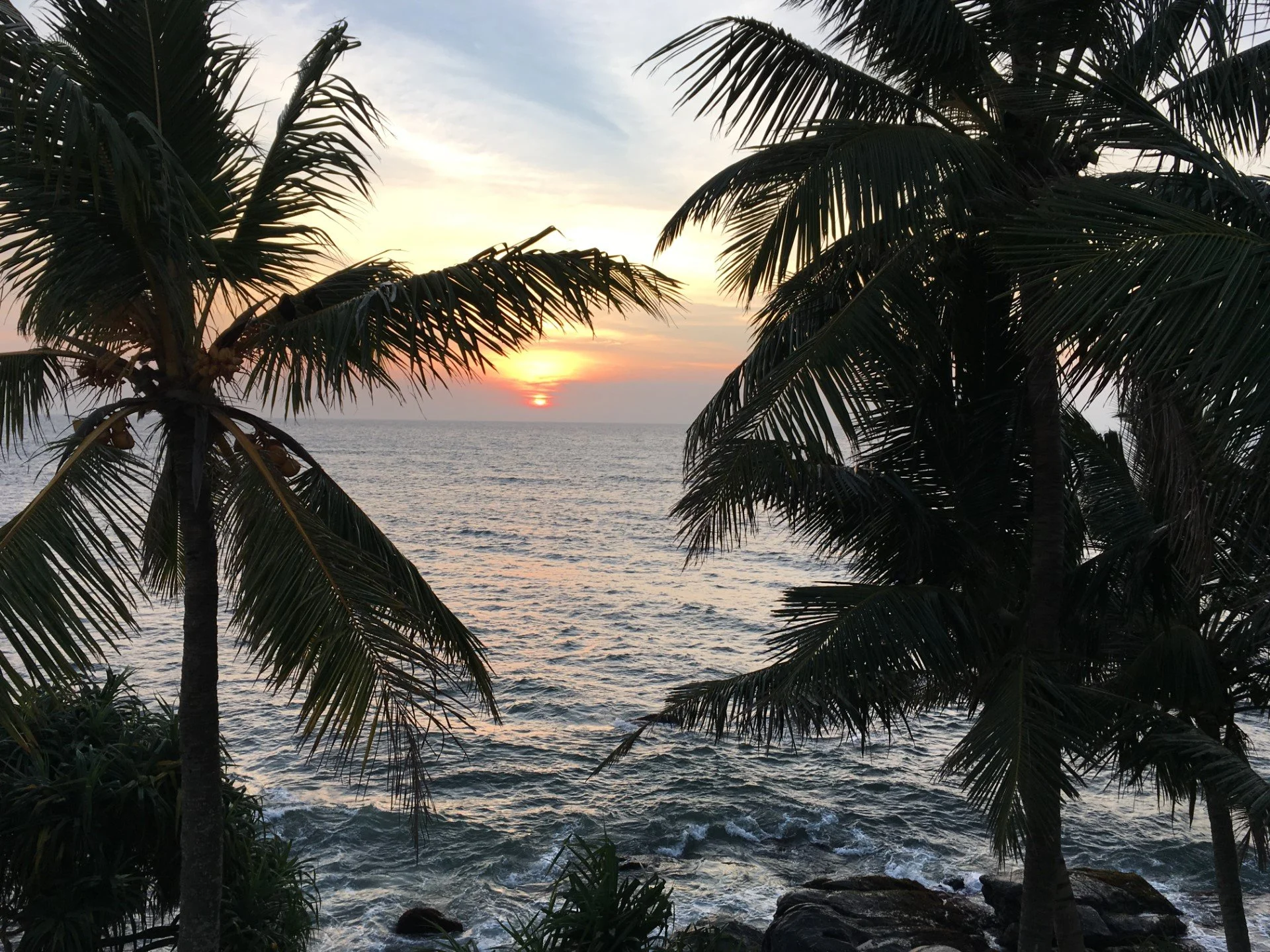
How much of this my father still remembers is uncertain, as the dementia that took his sister slowly winds its fingers around his 86-year-old brain. Sometimes he still tells the teapot story, and the one about the cow, and although the details fray and muddle I laugh along anyway, grateful for those moments of connection while they last. In the later years of our visits, my dear aunties and uncles began to pass on, each loss its own distinct heartbreak feeding into a wider dislocation from that generation as a whole, and the time that we shared. We clung to the markers we knew—poolside Lion Lagers at the Mount Lavinia Hotel, where many moons ago Auntie Dayanthi got married, sunset Lion Lagers at the Galle Face Hotel, where my father had taken my mother on dates. The loss of the last generation born under the empire sent us back to its last relics, places that held meaning for my father that passed on to me as we drank our Lion Lagers.
I don’t know if there will be any more trips to Sri Lanka, but if there are, I know that the first thing I’ll do when I arrive is open a Lion Lager.
Ruvani de Silva
Ruvani de Silva (she/her) is an award-winning writer specializing in beer, spirits, sustainability, and all things Texas. A British Sri Lankan living in Austin, she is the founder of South Asian Beer Club, a vocal advocate for diversity, equality, and inclusion in the beverage and food industries, and the recipient of the British Guild of Beer Writers’ Michael Jackson Beer Writer of the Year 2024 award. Find her at @amethyst_heels on BlueSky, Threads, and Instagram, and at ruvanidesilva.com.